
Planning for snow: Insights on winter readiness
- Post Date
- 20 February 2025
- Read Time
- 2 minutes
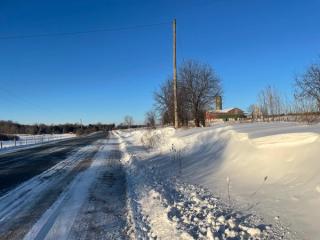
Winter is in full swing, making it the perfect time for one of our Canada-based microclimate experts, Tahrana Lovlin, to revisit the importance of snow planning. Drawing inspiration from our previous series, Master planning for snow: Being buried is not inevitable, she shares insights on how small design changes can support better snow management.
The winter of 2024-2025 is proving to be the winter of snow in southern Ontario. Perhaps we were lucky over the last few years, but with more than 40cm of snow piled on my backyard picnic table and the constant battle with snowdrifts along my commute, it would appear that winter is back with a vengeance. Which makes now the perfect time to talk about being proactive when it comes to snow and accessibility.
Snow isn’t just a seasonal nuisance – it’s a logistical challenge that can impact safety, accessibility and operations. In most parts of Canada snow is inevitable, and proactive planning can make all the difference. For city planners and project designers, considering snow accumulations and drifting during schematic design and early design development can improve operational efficiency and reduce maintenance efforts. Simple design choices, such as building orientation and door placement, can ease snow management efforts. In northern communities, where winds consistently blow from one quadrant of the compass, a sustainable solution would be to harness the wind to naturally clear snow accumulations from entrances and exits.
Snow management isn’t just about building design – it’s also critical for road safety. Snowdrifts can form on roadways due to the surrounding topographic features, creating hazards for motorists. In areas where strong winds sweep across open farmland, I’ve observed how seemingly small design choices can make a big impact – or how their absence can lead to greater snow accumulation than expected. Properly placed shrubs and snow fences, along with minor tweaks to road design – such as alignment, cross-section, and landscape features within the right-of-way – can significantly enhance snow management and improve safety for winter drivers.
Even as winter winds down, it’s still important to keep snow planning top of mind. While climate change may shift the length of winter and alter the type of precipitation we see, snow will likely remain a reality in Canada. By designing buildings and infrastructure with snow management in mind, we can improve accessibility, reduce maintenance challenges, and create more resilient spaces for the future.
Recent posts
-
-

-

Unlocking value through solar PV repowering: A focus on module replacement and DC/AC optimisation
by David Fernandez
View post